Join the Eco Summer Camp 2026 – The 4th Edition of Our Sustainable Summer School!
Mark your calendar: August 9th–16th, 2026!
After successfully hosting the Eco Summer Camp for four transformative years in Switzerland, we are thrilled to announce a new chapter for 2026.
We are relocating the summer school to an inspiring new venue: Kolleg St. Blasien in the beautiful Black Forest, Germany.
Our commitment remains the same: to foster interdisciplinary dialogue on sustainability, but now within a vibrant new setting that will enhance our community experience.
Registration opens soon!
About
The Eco Summer Camp is an interdisciplinary, transdisciplinary, and cross-generational summer school dedicated to exploring sustainability. Together with leading experts, participants will engage in discussions on pressing global ecological and socio-economic challenges. The program will delve into sustainable strategies for addressing these issues, as well as practical ways to transform our own habits for a more sustainable future.
As a summer school, the Eco Summer Camp offers participants the opportunity to earn 4 ECTS (European Credit Transfer System) credits. However, earning ECTS credits is optional, and we warmly encourage both students and non-students to join us and be part of this transformative experience.
All important information
Program
Soon you can download the program for 2026
Organizers
The Eco Summer Camp is organised by:
Kolleg St. Blasien
Newman Institute
Ukama Center
Oikos international
Lione
Jesuit European Social Centre
Summer Schools in Europe
Objective
The camp aims to broaden the participants’ horizons and strengthen an international network of people who contribute to a true cultural change in environmental issues. The entire week is dedicated to exploring and developing sustainable strategies essential for building an ecologically sustainable society.
All participants, as well as the experts, will be on campus during the whole time to promote personal encounters as well as personal growth through a direct and informal transfer of knowledge.
Through an innovative pedagogy (self- and group-reflection, excursions, encounters, etc.) in the framework of a holistic approach (head, heart, and hands), participants have the opportunity not only to listen to outstanding speakers but also to foster interpersonal growth through a mindful approach (e.g., eco-spirituality, meditation, etc.) as well as through a practical contribution to organizing the week (harvesting, cooking, cleaning, etc.).
Experience shows that such a pedagogy, which not only touches the intellectual sphere but also considers the spiritual and the practical dimension, is a more effective way to foster lasting change in one’s everyday life and professional engagement.
Who are we addressing?
The camp is intended for people who are interested in widening not only their personal knowledge about ecological issues, but in experiencing a unique opportunity to enlarge their own network in meeting peers and experts from all over the world while engaging in a constructive dialogue and discourse.
The official language of the gathering is English. Applicants should have at least a B2 level in English.
Where does the Eco Summer Camp take place? (Accessibility)
Where does the Eco Summer Camp take place?
The Eco Summer Camp 2026 will be held at Kolleg St. Blasien, a well-known educational center located in the beautiful Black Forest region of Germany.
The Kolleg is part of the historic grounds of a former Baroque monastery. It sits right in the heart of the scenic Southern Black Forest Nature Park. This peaceful, natural setting is the perfect environment to switch off and focus entirely on the camp’s topics and community.
A major feature is that our main sessions and workshops will take place in the brand-new Natural Science Campus (Nawi-Zentrum). This modern facility is fully equipped and designed for exploring environmental issues, science, and sustainability.
Kolleg St. Blasien is an educational center with a long history and a focus on global responsibility.
Accessibility
Kolleg St. Blasien is a large campus with historical buildings. We aim for an inclusive experience, but please be aware that full wheelchair access may be limited in certain older parts of the venue. If you need specific accessibility support, please contact us directly so we can make the necessary arrangements for your room and access.
Arrival
St. Blasien is located close to the German, Swiss, and French borders (about 60 km from Basel and Zurich).
Arrival by Car: The Kolleg is easy to reach via the A 5 (Freiburg/Mitte exit) or the A 81 (Donaueschingen exit), connecting to the beautiful B 500 route toward St. Blasien.
Arrival by Public Transport: The main public transport hubs nearby are Waldshut-Tiengen (Germany) and Seebrugg(the end station of the Dreiseenbahn train line).
From Switzerland/Freiburg: Take the train to Seebrugg Station. From Seebrugg, public buses (Line 7319) run to St. Blasien (approx. 20–25 minutes).
From Waldshut-Tiengen: Take the regional bus (Line 7322) from the Waldshut Busbahnhof (Bus Terminal) directly to St. Blasien (approx. 45–50 minutes).
We suggest checking the Deutsche Bahn (DB) website for the latest travel times to St. Blasien (Rathaus or Busbahnhofstops).
Cost
Camp Expenses for 2026
The total cost for participating in the camp depends on your room choice and whether you are a student. Here are the details:
If these fees are a barrier for you, but you would still like to join the Eco Summer Camp, please reach out to us directly.
For Students:
- Double room with sink: 500 €
- Single room with sink: 600 €
For Non-Students
- Double room with sink: 700 €
- Single room with sink: 900 €
Transparency in Pricing
We believe in full transparency regarding camp expenses. The actual cost per participant, including accommodation, speakers, and facilitators, is 2,000 €. Thanks to generous donations from foundations and partner institutions, we can offer reduced fees, making the camp accessible to more participants while maintaining a high-quality, impactful experience.
If you feel inspired to support this initiative, we would be grateful for any additional contribution to this unique week—every contribution makes a difference!
ECTS
As a summer school, the Eco Summer Camp allows students to earn 4 ECTS (European Credit Transfer System) credits. The program combines academic depth with interactive learning through lectures, discussion seminars, workshops, and excursions throughout the week.
The actual assessment of performance to earn the ECTS credits will be published here shortly. The specific assignment will be communicated in good time before the start of the camp.
Application for Students
Student Registration Information
To register as a student for the Eco Summer Camp, please provide the following additional information during the registration process:
- Proof of enrolment at your university
- CV
We look forward to welcoming you to the Eco Summer Camp!
Application for non students
Registration Information for Non-Students
To register as a non-student for the Eco Summer Camp, please provide the following information during the registration process:
- CV
We look forward to welcoming you to the Eco Summer Camp!
Contact
Michael Yang: michael@ecosummercamp.org
Jakob Ellensohn: jakob@ecosummercamp.org
Join Edition 2025
Edition 2026: August 9th–16th, 2026 at Kolleg St. Blasien in Germany
Following the success of the Eco Summer Camp from 2021 through 2024, we look forward to continuing this transformative journey in 2026 at our new location. Once again, we will bring together students, professionals, and practitioners from all over the world, alongside leading experts and scholars.
Our one-week summer school is designed to create an inclusive and enriching environment where people can engage with specialists and peers at eye level. We also warmly welcome older participants, ensuring that the insights and experiences of older generations can support–and be supported by–the fresh perspectives of younger ones. We believe this fruitful dialogue across ages is key to driving ecological, social, and spiritual transformation. After all, the shift toward more sustainable individual and collective lifestyles will only succeed if we understand ourselves as united by a shared destiny.
Building on the feedback and insights from previous Eco Summer Camps, the 2026 edition will continue to place a strong emphasis on practical, hands-on activities–such as field trips, gardening, and more time in nature. These immersive experiences enable participants to learn directly from the environment and from one another, fostering intergenerational dialogue, tangible projects, and mutual inspiration. By integrating a holistic approach that values both personal growth and collective well-being, we aim to nurture a vibrant community committed to shaping a brighter, more equitable future–together.
Join us at the Eco Summer Camp 2026 to be part of this ongoing movement for positive change–together, we are shaping a more sustainable world.
Experts 2026
We will provide more information soon
Organizing team
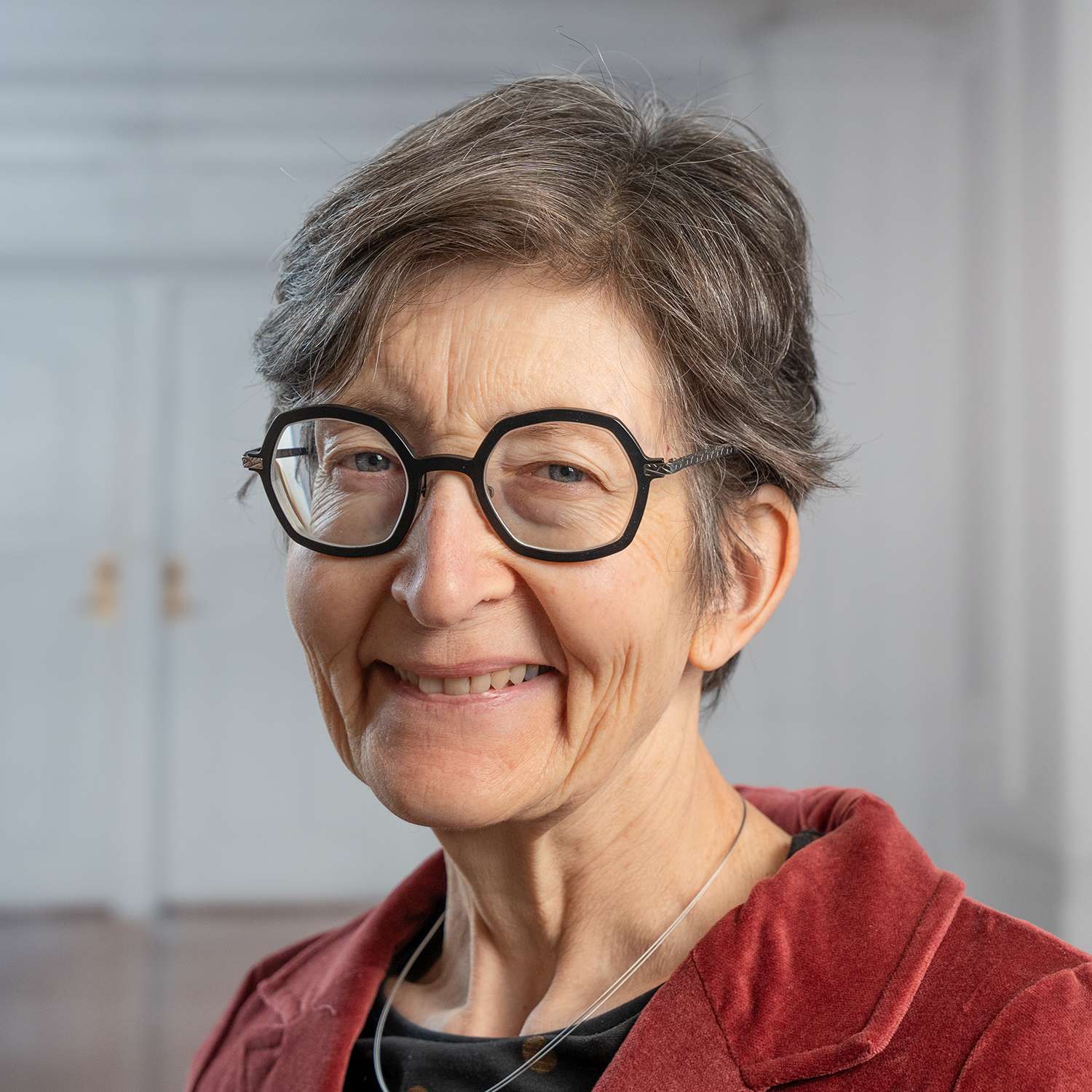
Prof. Dr. Barbara Crostini
Academic director

Aurelia Brida
Co-Project Lead

Martin Föhn SJ
Meditation Guide & Coach
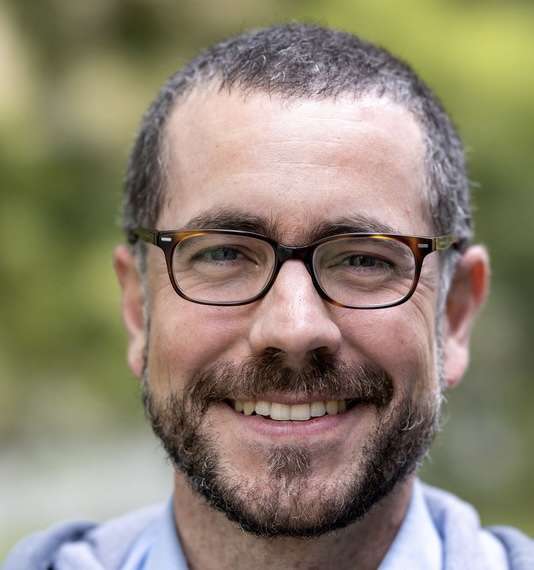
Fabian Moos SJ
Marketing & Facilitation
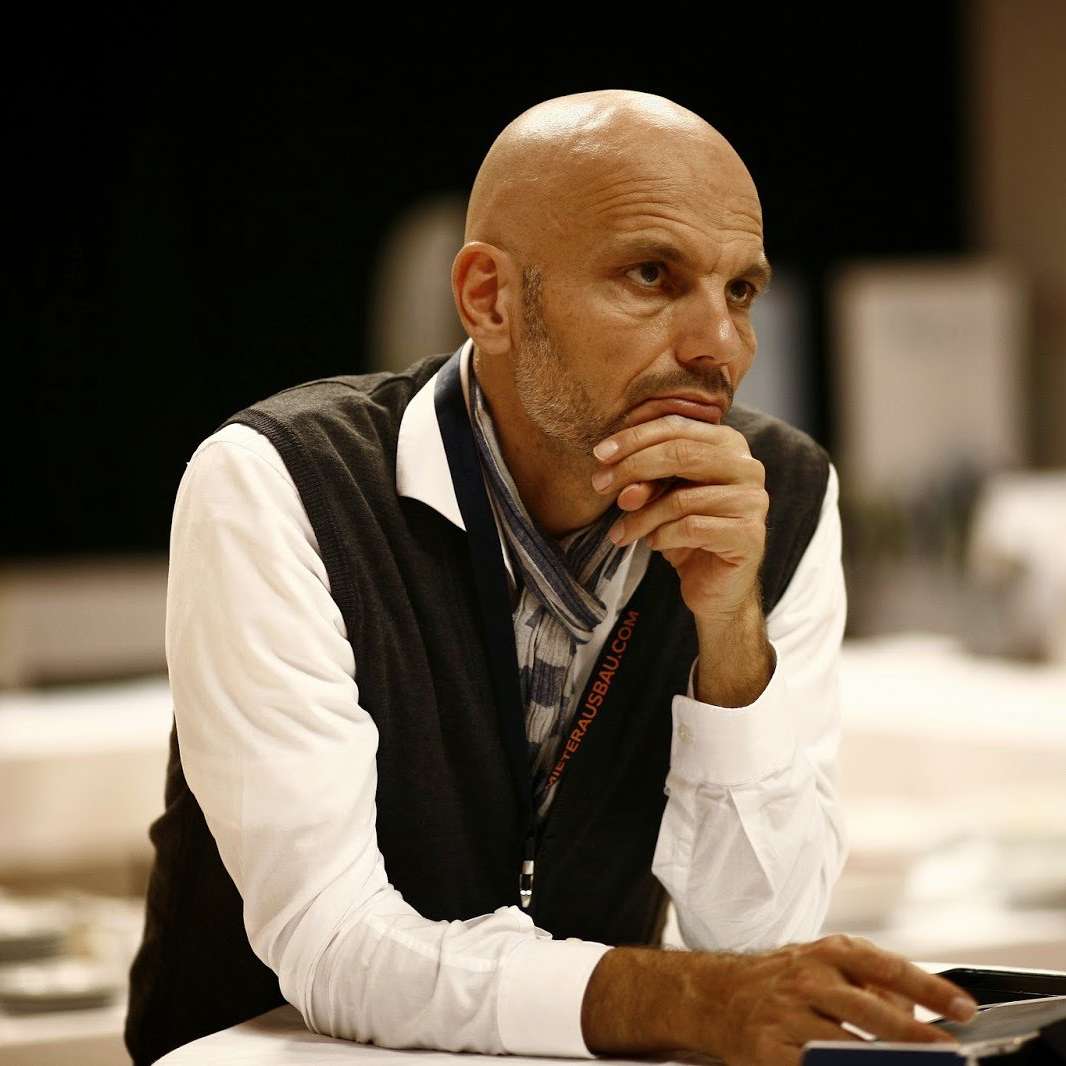
Maximilian Schachinger
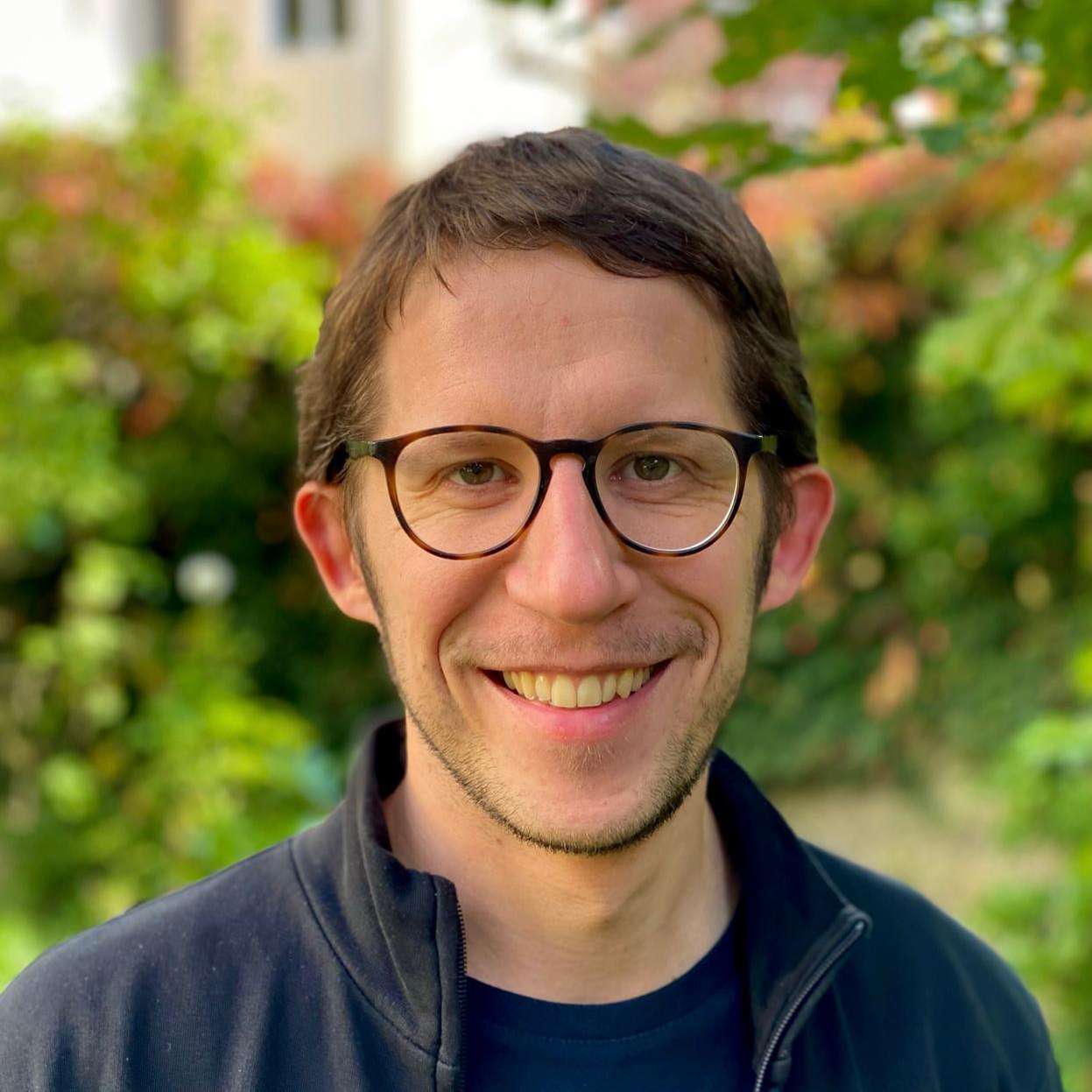
Martin Schröder SJ
Program & Facilitation
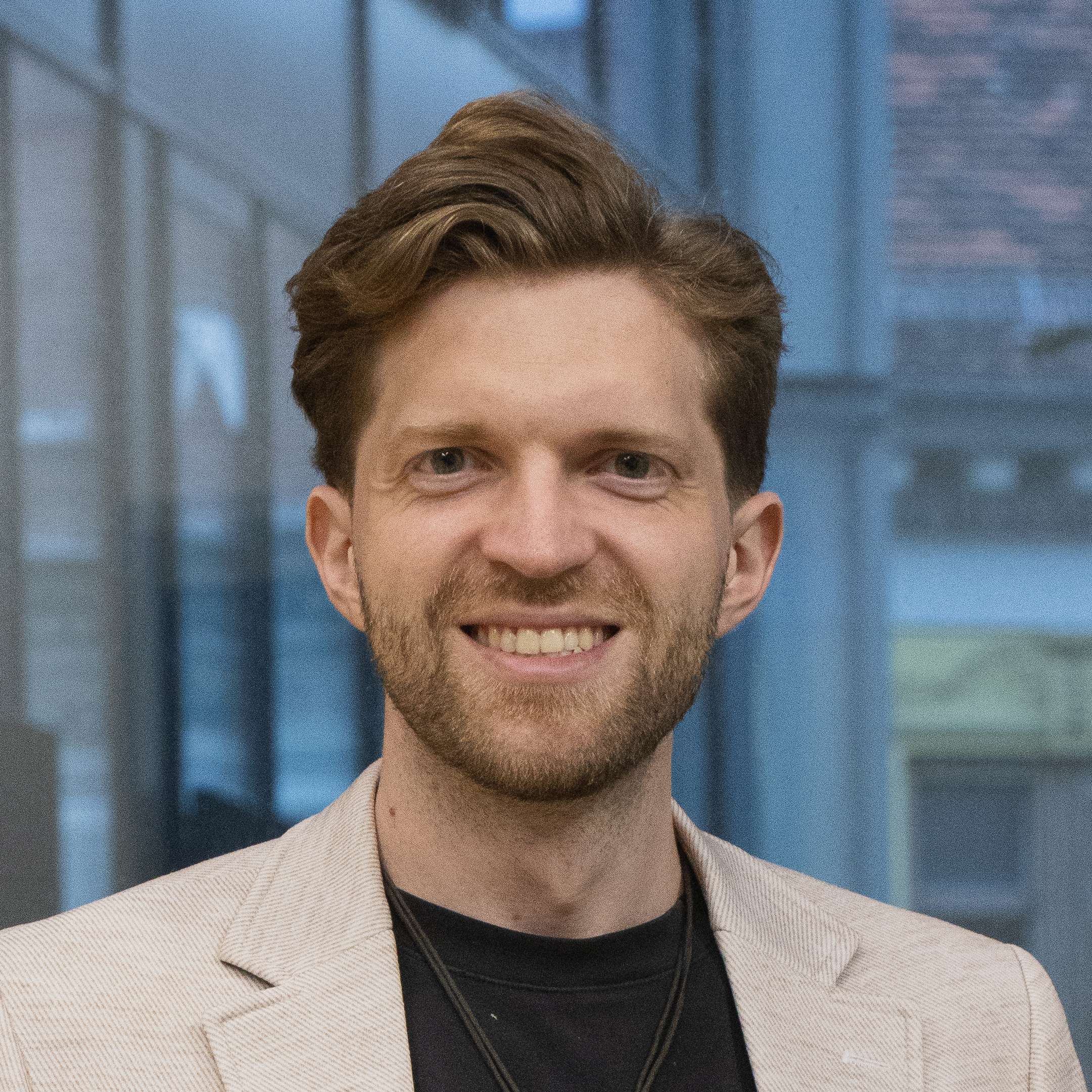
Michael Yang
Co-Project Lead

Lectures
The lectures are held by an international mix of experts in socioeconomics, ecology, environmental economics, politics, activism, mindfulness, fasting, ecological engineering, and logistics. You learn about actual developments and worldwide challenges concerning the ecological transition and how climate change affects our society, economy, and political system. The experts share their professional and personal experiences with you. Every class is a place for discussion: you can ask any question you have and share your opinion and thoughts with the experts and participants.

Workshops
The workshops offer an in-depth learning experience in different subjects in connection with nature and sustainability. The participants can choose to learn more about the ecosystem of a forest, eco-farms, sustainable cooking, and sustainability communication.

Community
A sense of community is key for the Eco Summer Camp. In terms of an effective transition towards more sustainability, change is achieved by the exchange of ideas and knowledge and through collaboration. The camp’s goal is to create strong bonds between the participants as well as the experts and maintain this community after the camp. The program contains different forms of interaction between the participants: we have guided reflection groups, cultural evenings, fireside talks, and possibilities to interact during free time

Being in nature
Several excursions and workshops are held in nature during the camp. The goal is to reconnect with nature. The camp takes place at the Lassalle-Haus, located outside the city of Zug, surrounded by nature and farms. In the mornings, you can enjoy a walking meditation in the forest nearby the Lassalle-Haus.

Spirituality
The aspect of spirituality and mindfulness is essential, also when it comes to transformation. You have the opportunity to experience different forms of meditation. The Lassalle-Haus is a center for spirituality, dialogue and responsibility founded by the Swiss Jesuits and has been a centre of welcome ever since, of meeting and dialogue open for every kind of worldview, religious or secular.

From wild consumption to responsible engagement. This is the slogan and goal of the Eco Summer Camp. The struggle against environmental degradation and the preservation of our planet must first and foremost become a cultural movement in which everyone assumes their own responsibility, as individuals and in cooperation with their peers; knowing, however, that any true and lasting change is only possible through a deep change in one’s own inner attitude. Thus, we are all called upon to make our personal contributions as well. The time to merely delegate our future to others is over. Only in this way can we bring about changes in the long term that will deeply transform our society from within, so that we can look to the future with confidence – for ourselves and for the generations to come.
Former participants said…

“Belonging to the Eco Summer Camp community has made me see that our land is fragile, but it is also fertile and loved. Now I feel reconnected to responsible engagement, and whenever possible I transmit the experiences and knowledge acquired to the people around me so that what I think, say, and do go hand in hand.”
Esther, Spain

“This camp changed my perception of the world, challenged my thinking about sustainability, and expanded my circle of friends. I am truly grateful for experiencing this joy, new knowledge, culture, and friendship during this journey.”
Uuljan, Kyrgyzstan

“We are motivated to meet other people who life as a vocation the care of our common home, and to learn from them, to be inspired with them.”
Ignacio, Spain, and Valery, Kameroon

“The method(s) of ‘work that reconnects’, which we experienced here, is excellent for the mental health.”
Navahina, France

“Let’s make High Tech lower, and connect with the Earth more!”
Sophia, France

“I enjoyed the session with Sabin; I could go deeper into interconnectivity. I’m looking forward to going further, especially on solutions.”
Melina, Germany


Organizers and partners